
What Stevia Really Is – And What's Just Marketing
RECOVERGY doesn't use stevia in our own formula — so this article isn't a product pitch. It's an honest look at an ingredient that gets a lot of claims and very little explanation.
What Is Stevia, Exactly?
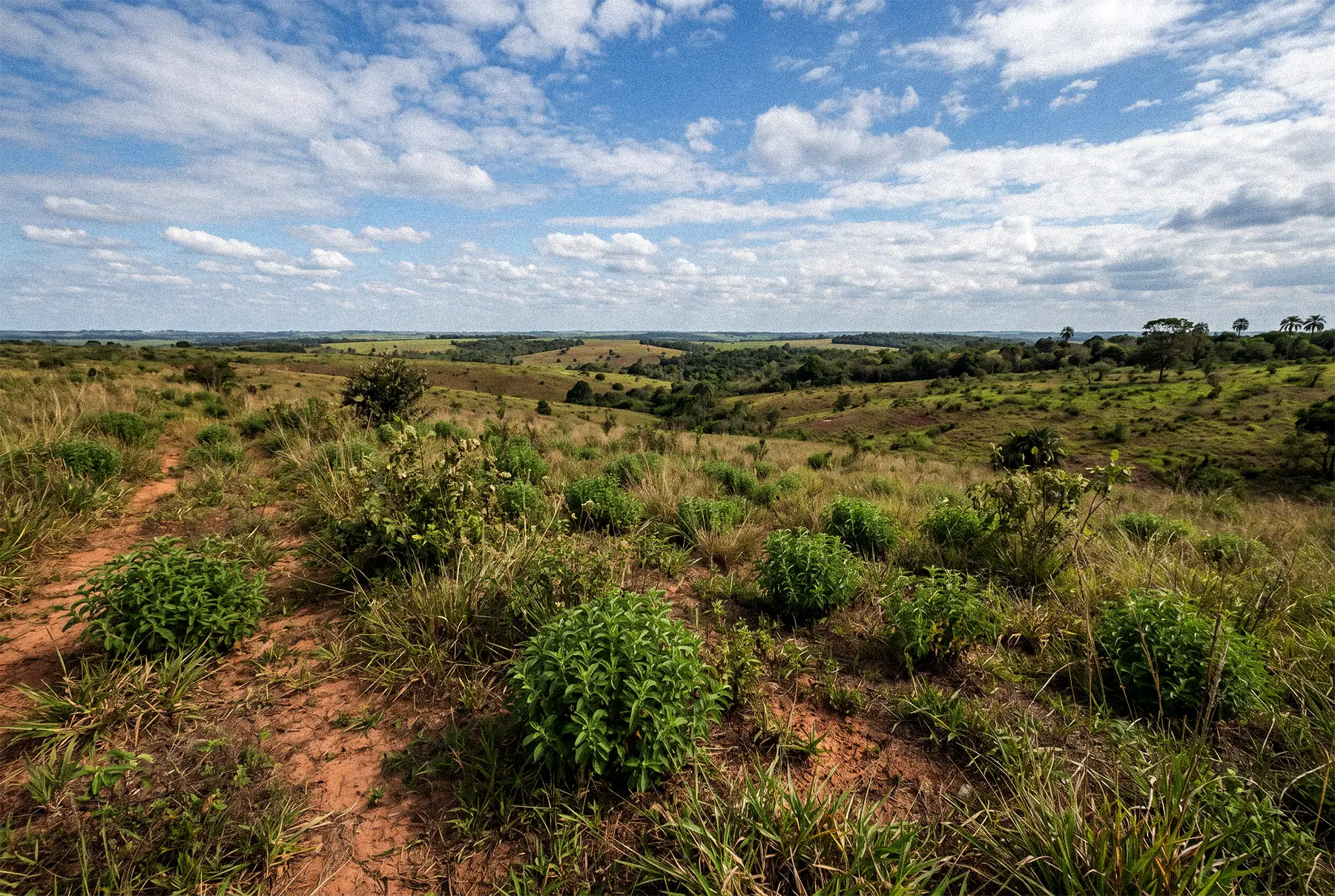
Stevia comes from the plant Stevia rebaudiana, a shrub native to South America that has been used to sweeten tea in Paraguay and Brazil for centuries. The sweetness itself doesn't come from the leaf as a whole, but from specific molecules within it: steviol glycosides. The best known are stevioside and rebaudioside A — depending on purity and composition, they're 40 to 300 times sweeter than sugar.
Here's the key distinction: when a label says "stevia," it almost never means the dried leaf. It means a highly purified extract of these glycosides.
How Is Stevia Actually Made?
This is where the "straight from nature, one leaf at a time" story gets fuzzy. The typical process looks like this:
1. Harvest and dry the stevia leaves
2. Extract the sweet compounds, usually with hot water or a water-ethanol mixture
3. Purify: the raw extract contains bitter compounds, plant pigments, and waxes alongside the glycosides. These get filtered out using activated carbon, ultrafiltration, and nanofiltration
4. Crystallize to isolate the steviol glycosides at high purity (typically above 95%)
There are also newer production routes: bioconversion, glucosylation, and fermentation. Fermentation essentially recreates the plant's own natural process using microorganisms — the microorganisms themselves don't end up in the final product, only the steviol glycosides they produce.
Bottom line: stevia starts as a plant but ends up as a heavily processed, technically refined extract. That doesn't make it bad — but "straight from nature" is a different claim than what actually happens.
Myth Check: Is Stevia Bleached with Chlorine?
A rumor that's circulated for years: stevia gets bleached with chlorine, alongside kerosene, arsenic, or titanium dioxide. This list mostly traces back to older blog posts that misread industrial patents (for products like Truvia). Those patents do describe organic solvents — methanol, ethanol, acetone, isopropanol — used in extraction and crystallization. Chlorine as a bleaching agent doesn't appear in any documented process.
A likely source of the confusion: decolorization often uses ion-exchange resin, which is then regenerated with chloride salts (sodium, calcium, or potassium chloride). That's chloride in salt form — not chlorine bleach. The solvents used elsewhere in processing are also removed before the final product, not present in what ends up on shelves. Bottom line: there's no documented evidence for "bleached with chlorine" — more likely a simplified mix-up. So Is Stevia Natural or Not?
Both things are true, depending on what you mean. The starting material is plant-based — that's what separates stevia from fully synthetic sweeteners like aspartame or sucralose, which are built in a lab from petrochemical building blocks. But the finished product on the shelf is a heavily processed extract, comparable to the journey from sugar beet to refined table sugar. "Plant-derived" and "unprocessed" are two different claims — and only the first one applies to stevia.
Stevia vs. Artificial Sweeteners
In practice, stevia gets compared most often to aspartame and sucralose, since all three sweeten with zero calories:
Calories and blood sugar: all three deliver essentially no calories and don't directly affect blood glucose.
Production: sucralose can form chlorinated byproducts when heated at high temperatures — a difference from stevia's plant-derived starting point.
Gut microbiome: stevia isn't entirely without effect on the body either — it reaches the gut and can influence the composition of gut bacteria. Research here is still ongoing.
Steviol glycosides are also a relatively young additive, which means a shorter track record compared with longer-established sweeteners. Open questions — like gut microbiome effects — exist across all zero-calorie sweeteners, not just stevia.
Why Does Stevia Often Have a Metallic, Bitter Aftertaste?
That distinct metallic or bitter-licorice aftertaste isn't imagined — it's well documented. Researchers at the Technical University of Munich showed in 2012 that steviol glycosides activate two bitter taste receptors on the tongue, hTAS2R4 and hTAS2R14, alongside the sweet receptor. So the compound registers as sweet and bitter at the same time — the brain reads that combination as an unpleasant aftertaste.
How pronounced this is depends on the glycoside used: stevioside leaves a noticeably licorice-bitter aftertaste, while rebaudioside A is considered comparatively clean-tasting, though it still activates the bitter receptors, just more weakly. Newer, more highly purified variants like rebaudioside M or D taste rounder but cost more to produce — which is why they show up less often in budget products. If the aftertaste in a product is especially strong, it's often a sign of a high stevioside content or a lower-purity extract.
What Do Regulators Say?
In the EU, steviol glycosides (E 960a–d) are approved as a food additive and have been evaluated by the European Food Safety Authority (EFSA). The acceptable daily intake (ADI) is set at 4 mg per kilogram of body weight, expressed as steviol equivalents — around 240 mg per day for a 60 kg adult. That figure was set using a hundredfold safety margin based on a two-year study — not a threshold where something goes wrong, but a number with a generous buffer built in.
The Honest Bottom Line
Stevia is plant-derived, but it isn't a natural product in the sense of "unprocessed." It's an extensively purified extract — a relatively young additive with a shorter track record than established sweeteners, and with open questions around gut microbiome effects. And yes: the widely criticized metallic-bitter aftertaste is real, traceable to two bitter receptors that steviol glycosides activate alongside the sweet receptor. Not a disaster, but not a miracle leaf straight from the field either.
At RECOVERGY, we currently don't use stevia in our formulas. That's not a judgment against the ingredient — just a deliberate choice for our own formula built on electrolytes, plant-based caffeine from green coffee beans, and essential vitamins, all completely sugar-free.
RECOVERGY — Beyond Energy.


Share:
Caffeine and timing: why your energy drink has a clock